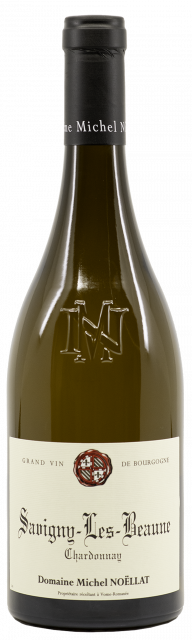
Presentation
Located in Vosne-Romanée, Domaine Michel Noëllat traces its roots back to the 19th century with Félix Noëllat, a family pioneer. Since then, five generations have succeeded, combining heritage and modernity. The estate's evolution is illustrated by constant investments: in 1980, a vaulted stone cellar was dug under the property, and in 2007, an ultra-modern winery equipped with thermo-regulated stainless steel tanks was established. Since 2012, vineyard management has been handled by Sébastien Noëllat (responsible for viticulture and vinification) and his cousin Sophie, who oversees the commercial side. The vines, cultivated using sustainable practices, cover several prestigious appellations, including Vosne-Romanée, Chambolle-Musigny, and Clos de Vougeot. The reds are aged for 18 months in oak barrels, with meticulous work on extraction and aging. What makes it famous? Powerful and refined wines with a distinctive aromatic signature, blending bright fruit and silky textures.
Location
The Domaine Michel Noëllat’s white Savigny-lès-Beaune parcels are located on the well-exposed eastern slopes of the appellation, between Pernand-Vergelesses and Beaune. These vines benefit from optimal sunlight and cool air currents from nearby valleys, promoting slow, balanced ripening. Their position at around 300 meters in altitude helps preserve natural acidity and allows full aromatic expression of the Chardonnay grape.
Terroir
The soils here are light, well-drained clay-limestone, sometimes mixed with white marl. This composition gives finesse and minerality to the wine. Limestone provides tension and freshness, while clay adds roundness and depth. This balance allows for precise, elegant white wines with ageing potential while being enjoyable in their youth.
In the vineyard
The estate follows sustainable viticulture, using no herbicides or excessive chemical inputs. Soils are mechanically tilled to encourage root health and microbial activity. Daily vineyard observation ensures that interventions are minimal and targeted, preserving the natural balance and leading to healthy, expressive grapes well-suited to careful vinification.
Harvest
Harvesting is done entirely by hand with careful sorting in the vineyard. Grapes are picked early in the morning to retain freshness and are transported in small crates to avoid damage. This manual harvest protects the integrity of the fruit and limits oxidation, ensuring high-quality juice at the winery.
Winemaking
Vinification begins with a gentle, slow pressing, followed by cold settling. Fermentation takes place in oak barrels using native yeasts at low temperatures.
Ageing
The wine is then aged on fine lees for about 12 months, with gentle stirring depending on the vintage. A small proportion of new oak (around 10%) is used to preserve the purity of fruit and the expression of terroir.
Varietal
Chardonnay : 100%
Specifications
Production volume : 80 000
Age of vines : 40 years old

Serving
Serve between 8°C and 12°C to fully express the wine’s aromatic finesse and mineral tension.
Ageing potential
3 to 5 years
Tasting
This Savigny-lès-Beaune Blanc from Domaine Michel Noëllat captivates with its pale golden robe and luminous reflections. The nose is elegant and expressive, revealing aromas of white flowers (linden, acacia), fresh hazelnut, and vanilla, all gently framed by a subtle touch of oak. On the palate, the wine is generous and well-balanced, driven by vibrant mineral tension and a saline finish. Its texture is both rich and precise, offering impressive density without heaviness. This Chardonnay embodies the finesse of Côte de Beaune whites, with a distinctive personality and refreshing energy.
Food pairings
This white wine pairs beautifully with fresh, delicate cuisine. It shines alongside citrus-marinated gravlax salmon, where its acidity complements the richness of the fish. A zucchini gratin with parmesan and basil plays on vegetal sweetness and aromatic finesse. For dessert, a lemon and almond tart enhances its citrus vibrancy. As for cheese, pair it with a young Comté or a fresh ash-coated goat cheese.