Presentation
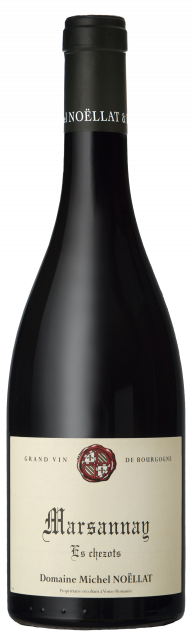
Located in Vosne-Romanée, Domaine Michel Noëllat traces its roots back to the 19th century with Félix Noëllat, a family pioneer. Since then, five generations have succeeded, combining heritage and modernity. The estate's evolution is illustrated by constant investments: in 1980, a vaulted stone cellar was dug under the property, and in 2007, an ultra-modern winery equipped with thermo-regulated stainless steel tanks was established. Since 2012, vineyard management has been handled by Sébastien Noëllat (responsible for viticulture and vinification) and his cousin Sophie, who oversees the commercial side. The vines, cultivated using sustainable practices, cover several prestigious appellations, including Vosne-Romanée, Chambolle-Musigny, and Clos de Vougeot. The reds are aged for 18 months in oak barrels, with meticulous work on extraction and aging. What makes it famous? Powerful and refined wines with a distinctive aromatic signature, blending bright fruit and silky textures.
Location
The “Es Chezeaux” vineyard lies within the Marsannay-la-Côte commune, at the northern tip of the Côte de Nuits, near Chenôve. The vines are planted on a gently sloping hillside facing east, at around 300 meters altitude. This location benefits from good sunlight while retaining freshness, allowing slow and balanced ripening of the Pinot Noir. The lieu-dit is known for producing structured yet refined wines with aromatic depth.
Terroir
The soil here consists of hard Jurassic limestone overlaid with marl and clay-limestone scree. This mineral-rich base provides excellent drainage and deep rooting, resulting in wines with complexity and a distinct identity. The alternation of lean and richer soils brings both tension and suppleness, giving fine tannins and a clear fruit expression, a hallmark of Marsannay terroirs.
In the vineyard
The vines on this parcel are mature and benefit from attentive viticultural practices. The estate focuses on yield control, careful canopy management, and strict sorting in the vineyard. This meticulous approach ensures high-quality grapes, essential for capturing both the identity of the lieu-dit and the finesse of the Pinot Noir.
Harvest
Harvesting is done entirely by hand, with careful sorting in the vineyard and again on sorting tables. Grapes are transported in small crates to preserve integrity. Each plot is vinified separately to reflect the unique character of the terroir.
Winemaking
Vinification follows the key principles used in the Côte de Nuits for village-level reds: fermentation in stainless steel or wooden vats depending on the parcel, temperature control, and carefully managed punch-downs or pump-overs. Destemming is total or partial, depending on the vintage.
Ageing
Ageing takes place over 14 to 16 months in French oak barrels, around 20% of which are new, to support structure without overwhelming the fruit.
Varietal
Pinot Noir : 100%
Specifications
Production volume : 80 000
Age of vines : 50 years old

Serving
Serving temperature: Around 14–15 °C to highlight the wine’s fruit and elegance.
Ageing potential
3 to 5 years
Tasting
This Marsannay “Es Chézeaux” catches the eye with its clear, ruby-red color and subtle brilliance, typical of a well-balanced Burgundy Pinot Noir. The nose is direct and expressive, driven by fresh red fruit aromas such as cherry, redcurrant, and raspberry. These are delicately complemented by floral notes (violet, peony) and a hint of forest floor that adds complexity without heaviness.
On the palate, the wine opens with supple freshness. The structure is light yet harmonious, with fine, well-integrated tannins. Fruit remains at the forefront, precise, juicy, and pure, enhanced by a discreet spicy touch. The finish is elegant, moderately persistent, and thoroughly enjoyable. This is a refined, digestible wine that favors terroir expression over exuberance.
Food pairings
With its fruity character and elegant frame, this Marsannay pairs beautifully with simple, flavorful, and well-balanced cuisine. It’s a fine companion to artisan charcuterie, herb-infused country terrines, or delicate pâté en croûte. For warm dishes, it suits roasted poultry, pork tenderloin with root vegetables, or a veal roast with jus.
Vegetarian options also shine here: a mushroom tart, grilled vegetable risotto, or a sauté of courgettes and eggplant will highlight the wine’s fruit while respecting its finesse. Avoid overly spicy, sugary, or creamy dishes, which could overwhelm this village-level wine’s delicate balance.