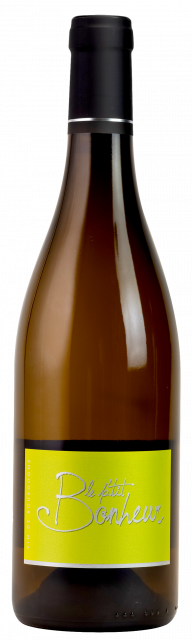
Presentation
Domaine Pascal Prunier-Bonheur, located in Meursault, in the heart of the Côte de Beaune, continues the family heritage of five generations of winegrowers. Pascal Prunier took over the reins of the domaine in 1983 with his wife Christine Bonheur. Today, they manage 8 hectares of vines spread between Saint-Romain, Auxey-Duresses, Monthelie, Meursault, Pommard and Beaune. Passionate about and respectful of their terroirs, they work the soil with great care and use grass cover on certain plots to control the vigor of the vines. At harvest time, a rigorous sorting is carried out to keep only the best grapes. In the cellar, the grapes are matured and vatted for a long time, resulting in wines that are concentrated, complex and well-balanced. This approach gives the wines great ageing potential, while remaining accessible and enjoyable from their youth.
Location
This vineyard lies on flat terrain at the eastern edge of the Meursault appellation. The cuvée may occasionally be complemented by grapes purchased from trusted neighboring growers.
Terroir
The parcel’s poor, shallow, and very stony soil provides excellent drainage, effectively mimicking hillside conditions. Chardonnay thrives here with finesse and freshness, yet shows remarkable concentration for this appellation level, a phenomenon reinforced by the age of the vines, which are over 70 years old.
In the vineyard
Pascal began rethinking conventional viticultural practices in the 1990s, joining a sustainable farming group. He reintroduced soil plowing and systematically reduced both the dosage and frequency of treatments, favoring organic methods whenever possible—though without formal certification. Guided by a balanced and realistic approach, he follows the lunar calendar for vineyard and cellar tasks. Treatments are limited to sulfur and copper unless specific issues arise, and soil work is used to manage cover crops.
Harvest
Grapes are transported to the winery as quickly as possible to preserve freshness and integrity.
Winemaking
Pressing is carried out using a pneumatic press. Fermentation takes place in oak barrels at low temperatures (18 to 22°C max) to preserve finesse and aromatic purity.
Ageing
Ageing is done entirely in oak barrels, with 10 to 25% new oak depending on the cuvée and vintage. The estate increasingly uses 350-liter barrels (instead of the traditional 228-liter Burgundy barrels), which help preserve freshness and bring finesse to most white cuvées. After 13 to 18 months, optional fining and light filtration are performed before bottling. All key interventions—racking and bottling—are scheduled according to the lunar cycle.
Varietal
Chardonnay : 100%

Serving
Best enjoyed in its youth, during the first 3 years in bottle, when it reveals all its aromas and freshness. Serving temperature: 10 to 12°C
Ageing potential
2 to 3 years
Tasting
The robe is pale yellow, clear and bright. The nose is floral and fruity with citrus notes. On the palate, the attack is clean, crisp, and vibrant. The citrus notes promised on the nose are confirmed, and the wine expands with volume, leading to a persistent finish.
Food pairings
Perfect as an aperitif for a relaxed moment with friends, this wine also pairs beautifully with seafood and shellfish, or alongside hearty country-style dishes.