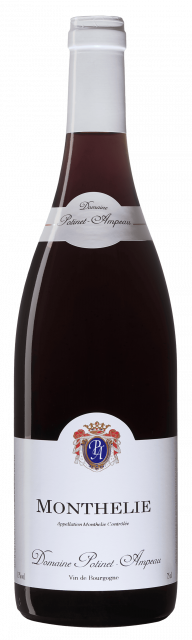
Presentation
Present for five generations in Monthelie, Domaine Potinet-Ampeau spans ten hectares, spread across the most beautiful villages of the Côte de Beaune: Meursault, Pommard, Volnay, and Monthelie. Faithful to its heritage, the estate is dedicated to producing long-aging wines that evolve beautifully over time. Contrary to the current trend of wines to be drunk young, here, each cuvée is designed to be patient in the cellar and fully reveal its potential over the years. Its unique character? A bold stance in favor of long-aging wines, distinguished by their depth and complexity.
Terroir
The soils are clay-limestone.
In the vineyard
Key stages include attentive vineyard care, adapted soil management, and carefully timed treatments — all in line with sustainable viticulture practices.
Harvest
The estate practices sustainable farming (agriculture raisonnée) to respect the vines, the environment, and the character of each vintage.
Winemaking
A traditional Burgundian winemaking approach: hand-sorting, maceration in concrete vats, mechanical pressing, static settling, and ageing in oak barrels.
Ageing
Ageing spans 18 to 22 months, including around 10% new oak. After a strict filtration, bottling is done by gravity, followed by a minimum of two years ageing in our cellars.
Varietal
Pinot Noir : 100%
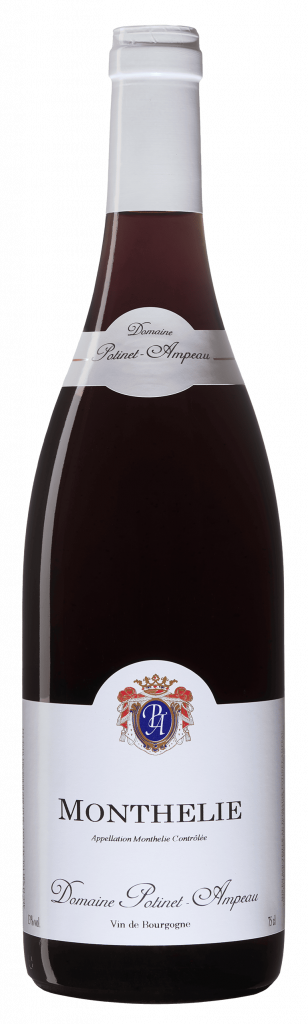
Serving
Serving temperature: 14–16°C
Ageing potential
3 to 5 years
Tasting
The Monthélie Village Rouge from Domaine Potinet-Ampeau opens with a clear, bright ruby robe with light garnet hints on the rim — suggesting both maturity and freshness. On the nose, it offers a focused bouquet of red fruits — cherry, raspberry, and redcurrant — followed by darker tones like blackcurrant and blackberry. Delicate floral notes of violet or peony mingle with earthy nuances of undergrowth, forest floor, and, with aeration, a touch of mocha or soft spices. On the palate, the wine is supple and welcoming from the first sip, with fine, elegant tannins. Acidity balances the fruit, bringing freshness without sharpness, allowing the wine to remain light and accessible. The mid-palate is velvety, while the finish lingers on persistent red fruit, a hint of licorice or graphite, and a gentle mineral edge — a subtle nod to the limestone-clay terroir of the Côte de Beaune.
Visual appearance
Bright ruby with garnet reflections.
At nose
Red fruits, florals, forest floor, mocha, and subtle spices.
On the palate
Soft attack, silky tannins, fresh balance, mineral and fruit-driven finish.
Food pairings
This village-level red, beautifully balanced between finesse and structure, pairs wonderfully with dishes that highlight its aromatic richness without overpowering its subtlety. Think of roasted poultry — like free-range chicken or guinea fowl — served with a light herb sauce, or a refined take on coq au vin. Grilled red meats, such as hanger steak or sirloin with caramelized shallots or a reduced jus, will complement its fine tannins. For a touch of game, duck breast (magret de canard) — gently cooked — fits the profile perfectly. On the vegetarian side, mushroom risotto or a delicate onion tart with goat cheese will echo its earthy notes. To finish, mild aged cheeses such as Brie de Meaux, Saint-Étienne, or young Comté will round off the meal with elegance, without overpowering the wine’s finesse.