Presentation
Nestled at the foot of the prestigious Dentelles de Montmirail in Sablet, the vines of Domaine La Perdrière thrive on 27 hectares of organically farmed land. The estate was taken over in 2010 by Vasco Perdigao, supported by his wife Sonia, a former nurse who retrained as a winemaker.
Vasco honed his craft with passion over several years in the renowned vineyards of the Northern Rhône. Yet it was in the southern part of the Rhône Valley that he chose to settle and fully express his vision as a vigneron.
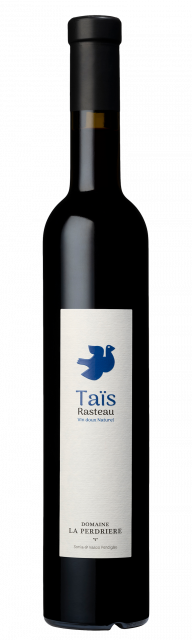
The year 2024 marks a turning point for the estate: the winery has been expanded and modernized to improve working conditions and optimize the quality of the wines throughout their vinification, ageing, and storage phases. A new visual identity — including redesigned labels — affirms this transformation.
The name Domaine Chamfort is now a thing of the past, making way for Domaine La Perdrière. This new name is a tribute to the Perdigao family name — meaning “partridge” in both Provençal and Portuguese. La Perdrière is thus the place where partridges find shelter — and symbolically, a home for our wines as well.
Location
Situated on the high plateau of Rasteau at approximately 300 meters altitude, our 4-hectare single-block vineyard is surrounded by woodland and offers exceptional views over the Dentelles de Montmirail and the Rhône Valley. The soil is a mix of large rolled pebbles and brown earth rich in red clay. This plot brings together all the natural conditions needed to achieve full ripeness in the grapes while preserving a strong mineral backbone.
Terroir
High-altitude plateau with excellent sun exposure, clay-rich soils with large pebbles, and a naturally balanced environment that enhances maturity, concentration, and mineral finesse.
In the vineyard
The entire estate has been certified organic since the 2021 harvest. Traditional vineyard work includes winter hilling and spring ploughing. Compost is applied every three years in rotation with other organic amendments.
Harvest
Manual harvest.
Winemaking
In the cellar, Vasco uses long macerations to gently extract the essence of the grapes.
Ageing
Aged for 12 months in 225-liter French oak barrels.
Varietal
Grenache : 100%
Specifications
Age of vines : 30 years old

Serving
Recommended serving temperature: Around 16–17 °C to fully release the wine’s aromas while maintaining its balance.
Ageing potential
3 to 5 years
Tasting
Taïs displays a deep, intense ruby-red robe with garnet reflections. The nose is bold and expressive, offering ripe black fruits — blackberry, cassis, and plum — layered with warm spices (black pepper, clove) and aromatic herbs from the surrounding garrigue (thyme, rosemary). Hints of licorice and cocoa add depth. On the palate, the wine is rich and full-bodied with a generous attack. The tannins are powerful yet smooth, lending a dense and velvety texture. A balanced acidity brings freshness, preventing the wine’s power from becoming overwhelming. The finish is long and persistent, with lingering spice, black fruit compote, and a refined mineral note.
Visual appearance
Deep ruby with garnet hues.
At nose
Ripe black fruit, warm spices, garrigue herbs, licorice, and cocoa.
On the palate
Powerful and smooth, rich in texture with fresh acidity and a long, elegant finish.
Food pairings
With its intense, structured, and aromatic profile, Taïs deserves dishes that match its strength and complexity:
Game: wild boar stew, roast venison, or braised pheasant — rustic meats that enhance the wine’s tannins and savory depth.
Red meats in sauce: herb-crusted rack of lamb, Provençal daube, or braised beef with red wine and mushrooms — ideal partners for the wine’s robust structure.
Strong cheeses: Blue, aged tomme, or mature goat cheeses — bold enough to balance the wine’s power and bring out its spiced, fruity notes.
Hearty Mediterranean cuisine: lamb tagine with olives, Provençal-style stews, or braised vegetables with wild herbs to echo the wine’s herbal character.