Presentation
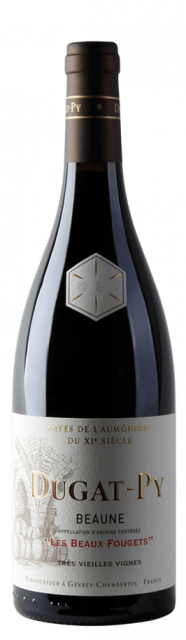
Located in Gevrey-Chambertin, Domaine Dugat-Py traces its origins back to viticultural practices from the 17th and 19th centuries. The estate as it is known today was founded in 1923 by Fernand Dugat. In 1975, Bernard Dugat joined with his first harvests, and the current name was established in 1994 when Bernard added Jocelyne Py's name to his own. Today, Loïc Dugat-Py, the thirteenth generation, represents a graceful evolution toward organic viticulture, a transition that began between 1999 and 2003. The estate emphasizes manual work, horse plowing, and vine braiding techniques. Spanning nearly ten hectares of old vines, it produces Grands Crus, Premiers Crus, and prestigious village appellations, with the wines aged in the historic vaulted cellars of the Aumônerie. Like the estate’s Corton-Charlemagne or Cœur de Roy cuvées, the wines are now finer and more precise, combining power, balance, and aging potential.
Location
The "Les Beaux Fougets" climate lies south of the town of Beaune in the Côte de Beaune. The plot is planted on well-drained clay-limestone soils with an east-facing exposure, offering ideal conditions for slow, even ripening of Pinot Noir. This terroir blends cool morning air with optimal sunlight, providing finesse and complexity to the wine.
Terroir
Sourced from the "Les Beaux Fougets" climate, this Premier Cru benefits from a well-drained clay-limestone soil and favorable exposure, ideal for full ripening of Pinot Noir.
In the vineyard
Domaine Dugat-Py, a flagship of the Côte de Nuits and now active in the Côte de Beaune, manages its vines with very low yields and a rigorous, soil-respecting viticulture. Manual labor, horse-drawn plowing, and vine braiding are central to the estate's organic approach, initiated in the early 2000s.
Harvest
Manual harvesting in small crates, with meticulous sorting both in the vineyard and at the cellar to retain only the healthiest, ripest berries. Yields are deliberately low to ensure concentration and faithful terroir expression.
Winemaking
Vinification is carried out with great precision: partial destemming depending on the vintage, cold maceration, gentle punch-downs. Fermentation occurs with indigenous yeasts. This approach extracts the essence of the fruit while preserving freshness and minerality.
Ageing
The wine is aged in oak barrels for 16 to 18 months, with approximately 50 to 70% new oak depending on the vintage. No racking is done during aging. The wine rests on fine lees, enhancing texture and complexity without masking the terroir's identity.
Varietal
Pinot Noir : 100%

Serving
Ideal serving temperature: 16–17°C. Decanting or opening one hour before serving is recommended to allow full aromatic expression.
Ageing potential
5 to 10 years
Tasting
In the glass, the wine displays a deep garnet hue with brilliant carmine reflections. The nose is highly refined, opening with ripe notes of morello cherry, black cherry, and wild blackberry. As it breathes, floral hints (peony, violet) emerge, followed by underbrush, light truffle, and sweet spices like cinnamon and clove. On the palate, the attack is fresh and lively, showing great concentration. The texture is silky, structured by fine tannins and well-integrated acidity. The fruit is vibrant – juicy cherry, ripe blackcurrant – while a discreet mineral thread brings length. The oak is subtle and well-integrated, and the finish lingers with gentle licorice, fine pepper, and earthy tones. A refined, expressive wine built for aging.
Visual appearance
Deep garnet with carmine highlights
At nose
Ripe black fruits, morello cherry, violet, sweet spices, underbrush
On the palate
Fresh attack, silky texture, elegant structure, long finish
Food pairings
The structured yet elegant style of this Beaune Premier Cru calls for refined dishes that complement its aromatic depth and velvety texture. Roasted beef fillet with morels and celery root purée will highlight its fine tannins. Duck breast, roasted and served with a reduction of warm spices or bitter cocoa, will bring out its rich fruit core. For bolder pairings, consider a hare stew reduced with port, or slow-cooked lamb shoulder with Mediterranean herbs. These dishes emphasize the wine’s mineral tension and restrained power. In a more vegetal register, a vegetable tian with meat jus or veal sweetbreads with caramelized shallots offer a perfect balance of finesse and depth. Finally, for a regional twist, reimagined crispy escargots with fresh herbs make for a surprising and subtle match