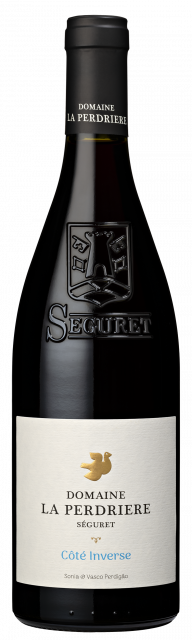
Presentation
Situé au pied des prestigieuses Dentelles de Montmirail à Sablet, les vignes s’épanouissent sur un domaine de 27 ha exploités en Agriculture Biologique. Le Domaine La Perdrière a été repris en 2010 par Vasco Perdigao épaulé par sa femme Sonia une ancienne infirmière reconvertie au métier de vigneronne. Vasco a exercé son métier et fait ses gammes avec passion durant plusieurs années dans les vignobles renommés des Côtes-du-Rhône septentrionaux. C’est au Sud de la vallée du Rhône qu’il a cependant décidé de s’installer vigneron. 2024 marque un virage pour le domaine : Agrandissement et modernisation du chai afin d’améliorer les conditions de travail mais également optimiser la qualité de nos vins dans leurs phases d’élaboration, d’élevage et de stockage. Nouvel habillage des bouteilles pour se démarquer au travers d’une nouvelle identité. Le Domaine Chamfort disparaît ainsi pour laisser place au Domaine LA PERDRIÈRE. Ce nouveau nom fait écho au nom de famille « Perdigao » : la perdrix en Provençal et en Portugais. La Perdrière est ainsi l’endroit où elles trouvent leur abri.
Location
This wine comes from a single parcel located high above the village of Séguret. The vines are north-facing, on a cool, late-ripening terroir. The vineyard is surrounded by woods and bordered by two small streams, creating a calm, serene atmosphere. The soils are clay-limestone with layers of sandy sandstone and marl.
Terroir
A high-altitude, north-facing terroir with cool exposure and late ripening — ideal for preserving freshness and tension. The soils combine clay-limestone with sandy marl and sandstone, contributing structure and minerality.
In the vineyard
The estate has been certified organic since the 2021 harvest. Traditional vineyard work includes winter hilling of vines and spring ploughing. Compost is applied every three years, alternated with organic amendments.
Harvest
Manual harvest.
Winemaking
In the cellar, Vasco uses long maceration to gently extract the best of the grapes' richness and structure.
Ageing
Aged for 12 to 18 months in large French oak foudres.
Varietals
Grenache : 80%
Mourvèdre : 20%
Specifications
Age of vines : 50 years old

Serving
Ideal serving temperature: Around 16–17 °C, to allow the wine to fully express its aromatic depth without becoming austere, while preserving its freshness.
Ageing potential
3 to 5 years
Tasting
Côté Inverse is made exclusively from old Grenache and Mourvèdre vines, resulting in a wine with remarkable aromatic maturity, depth, and density. The robe is deep garnet with attractive brilliance. On the nose, ripe black fruits (blackberry, plum) dominate, followed by spicy notes of black pepper, garrigue herbs, and forest floor, with a linear minerality that adds precision. The palate is broad, powerful, and structured; tannins are firm yet well-coated, giving a rich, velvety mouthfeel. The long, persistent finish is lifted by fresh mineral tension, balancing the wine’s sun-drenched character and extending the fruit into a refined, elegant texture.
Visual appearance
Deep garnet with brilliant clarity.
At nose
Ripe black fruits, spices, herbal garrigue, earthy and mineral notes.
On the palate
Powerful and structured, firm yet elegant tannins, vibrant and mineral-driven finish.
Food pairings
With its depth, structure, assertive tannins and distinctive minerality, Côté Inverse calls for bold, flavourful dishes that match its intensity, while also benefiting from its underlying freshness:
Roast lamb leg with rosemary or grilled lamb chops, served with seasonal roasted vegetables (eggplant, peppers, zucchini).
Rich, saucy dishes: wild boar stew, braised beef with red wine and mushrooms, or Provençal daube.
Game dishes: roast pigeon, wild quail, or pheasant — especially balanced with tangy elements like berry compotes, vinegar reduction, or meat jus.
Strong cheeses: robust blue cheeses, well-aged mountain cheeses, or a rustic tomme that complements the wine’s power and brings out its complex aromas.