Terroir
Implanted on stony soils mixed with typical red clays of the Tavel appellation, this rosé draws its power and aromatic richness from the heart of the southern Rhône Valley. The vines, on average 25 years old, benefit from generous sunshine and the regulation of the mistral, ensuring optimal grape maturity. This complex terroir gives the wine its fleshy character, depth, and mineral signature, a true reflection of Tavel's identity.
Winemaking
From a short skin maceration, this Tavel is made by bleeding, a traditional method that concentrates the material and aromatic intensity. Fermentations are carried out at low temperature (18°C) in order to preserve the freshness of the fruit. Aging, exclusively in stainless steel tanks for about 6 months, helps maintain the brightness of the aromatic profile while refining the structure. This vinification care reveals a rosé that is both expressive, structured, and ready for gastronomy.
Varietals
Grenache noir : 60%
Cinsault : 15%
Syrah : 10%
Clairette : 10%
Serving
Designed to be enjoyed in its youth, this Tavel rosé reveals all its aromatic richness and indulgence within 2 to 3 years following its bottling. However, it can gain in complexity over one to two additional vintages, thanks to its beautiful structure.
Tasting
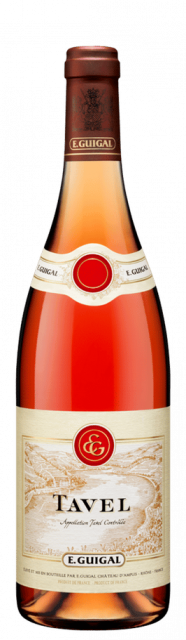
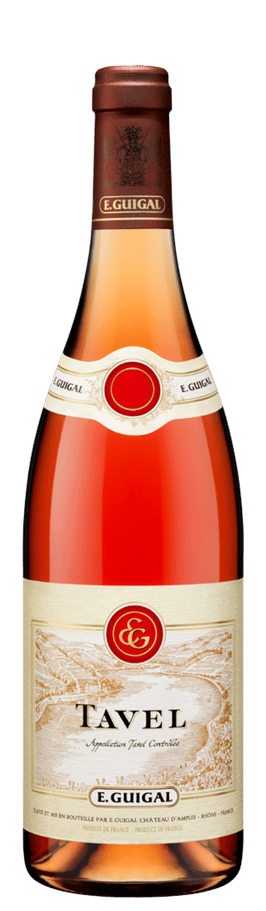
With its supported and limpid salmon pink dress, this Tavel immediately seduces with its brightness. The nose opens up to a refined bouquet of white flowers, small red fruits, and stone fruits, underlined by a slightly spicy touch. On the palate, the attack is ample, carried by a fleshy fruit and a beautiful finesse. The structure is well in place, supported by a low acidity that gives way to a sensation of roundness, almost velvety. A rosé with character, harmonious and persistent, which goes far beyond the scope of an aperitif.
Food pairings
This rosé Tavel is perfect for a tasty and sunny cuisine. It will perfectly accompany a chicken tagine with apricots, a sea bream ceviche with citrus fruits, or a roasted pork tenderloin with herbs. Its structure also allows it to be paired with a homemade moussaka, a Mediterranean vegetable tian, or marinated lamb skewers. Ideal for reinventing rosé at the table, well beyond summer.