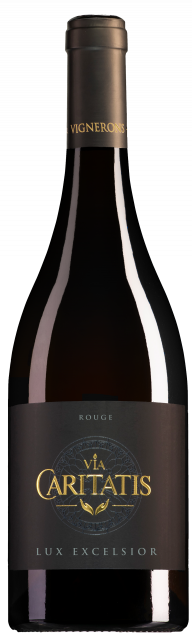
Presentation
The Via Caritatis estate is a unique winemaking project born from the collaboration between the monks and nuns of the Sainte‑Madeleine du Barroux Abbey and passionate winegrowers from the Mont Ventoux region in southeastern France. Rooted in a tradition dating back to the 14th century, the estate draws its inspiration from the spiritual and agricultural heritage of former papal lands. Through demanding, respectful viticulture, Via Caritatis produces wines under the AOP Ventoux designation, showcasing the richness of Mediterranean grape varieties such as Syrah, Grenache, and Clairette. Much of the vineyard work is done by hand, with a strong focus on quality over quantity. The monks and nuns themselves cultivate 10 hectares of vines on the slopes of Mont Ventoux, between 350 and 700 meters in altitude, alongside around 80 partner winegrowers who share the same values and dedication. The estate’s goal is to craft wines of excellence, imbued with meaning and deep human values, while supporting local farming families and celebrating a remarkable terroir. Via Caritatis thus represents a rare alliance of spirituality, tradition, and modernity, where wine becomes a true message of charity and beauty — the fruit of a collective effort driven by ethical and qualitative standards.
Location
This wine comes from the emblematic terroir of the AOP Ventoux, located at the foot of Mont Ventoux in the southern Rhône Valley. The vines are cultivated at altitudes between 300 and 500 meters, benefiting from a Mediterranean climate tempered by elevation, with some continental influences. The soils are varied—clay-limestone, sandy, and stony—providing ideal diversity for producing a wine that is both complex and well-balanced.
Terroir
Lux Rouge is generally crafted from a blend of traditional Rhône Valley grape varieties: primarily Grenache Noir and Syrah, with the possible addition of Mourvèdre. Grenache brings warmth, richness, and ripe fruit character, while Syrah adds structure, spice, and freshness. If included, Mourvèdre contributes additional depth and firm, age-worthy tannins.
In the vineyard
Sustainable vineyard practices are key, including minimal treatments, manual canopy management, and careful soil work to maintain balance in the vine and preserve the expression of the terroir.
Harvest
The harvest is carried out by hand, with rigorous sorting to select only the healthiest, ripest grapes.
Winemaking
The winemaking process is meticulous. Grapes are either hand-harvested or strictly sorted before being destemmed and fermented in temperature-controlled stainless steel or concrete vats. Fermentation is conducted to preserve the purity of the fruit. Maceration lasts several weeks to extract color, tannins, and aromatic complexity.
Ageing
A portion of the wine is aged in oak barrels (new or seasoned), for 12 to 18 months, depending on the desired profile. This aging process brings roundness, silkiness, and well-integrated toasted or woody notes without overshadowing the fruit. The remaining wine is kept in vats to preserve freshness and balance.
Varietals
Grenache noir
Syrah
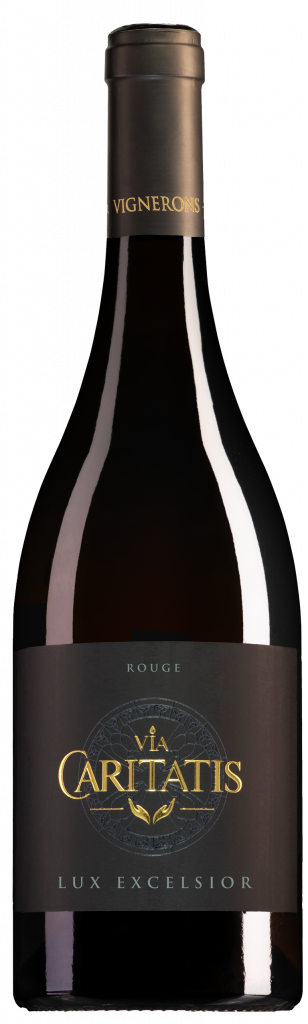
Serving
Recommended serving temperature: 16–18°C (60–64°F).
For younger vintages, it is advisable to decant the wine one hour before serving to allow full aromatic expression.e.
Ageing potential
5 to 10 years
Tasting
Upon tasting, Via Caritatis – Lux – Rouge reveals a deep, intense garnet-red color with violet hues. The nose is expressive and elegant, offering aromas of ripe black fruits such as blackberry, blackcurrant, and black cherry, complemented by spicy notes of pepper, licorice, and garrigue herbs—all typical of the Ventoux terroir. Subtle hints of cocoa, toasted wood, or smoke may also appear, especially if the wine has spent time in oak. On the palate, the wine is generous and full-bodied, with well-integrated tannins. The structure is powerful yet balanced, supported by a fresh acidity that extends the aromatic length. The finish is long, flavorful, and marked by sweet spices and confit fruit, reflecting the wine’s character and aging potential.
Visual appearance
Deep garnet red with violet reflections.
At nose
Intense and refined aromas of black fruits, garrigue, spices, and subtle toasted notes.
On the palate
Ample, structured, and fresh, with silky tannins and a long, spicy-fruity finish.
Food pairings
This characterful red wine pairs beautifully with grilled or sauced red meats (such as roast lamb, ribeye, or beef stew), game, and Provençal dishes like ratatouille or bull stew (gardianne de taureau). It also goes wonderfully with aged cheeses and flavorful Mediterranean cuisine.