Presentation
Nestled at the foot of the prestigious Dentelles de Montmirail in Sablet, the vines of Domaine La Perdrière thrive on 27 hectares of organically farmed land. The estate was taken over in 2010 by Vasco Perdigao, supported by his wife Sonia, a former nurse who retrained as a winemaker.
Vasco honed his craft with passion over several years in the renowned vineyards of the Northern Rhône. Yet it was in the southern part of the Rhône Valley that he chose to settle and fully express his vision as a vigneron.
The year 2024 marks a turning point for the estate: the winery has been expanded and modernized to improve working conditions and optimize the quality of the wines throughout their vinification, ageing, and storage phases. A new visual identity — including redesigned labels — affirms this transformation.
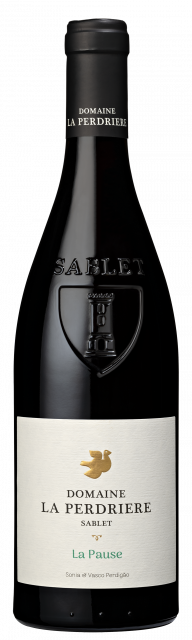
The name Domaine Chamfort is now a thing of the past, making way for Domaine La Perdrière. This new name is a tribute to the Perdigao family name — meaning “partridge” in both Provençal and Portuguese. La Perdrière is thus the place where partridges find shelter — and symbolically, a home for our wines as well.
Location
Located on the northern edge of the renowned Gigondas appellation, Sablet is a highly regarded Côtes du Rhône Villages commune with a distinct identity. Our vines are planted on gently sloping terraces overlooking the village. The soils are a complex mix of sand and safre (a fine, compact sand), blended with decalcified clay and limestone pebbles of various sizes.
Terroir
South-southwest exposure on sandy terraces with clay and limestone deposits. This terroir brings both roundness and mineral freshness to the wine.
In the vineyard
The estate has been certified organic since the 2021 harvest. Vineyard work includes traditional methods: winter mounding of vines, spring ploughing, and a compost application every three years, alternating with organic soil amendments.
Harvest
Manual harvesting.
Winemaking
Multiple punch-downs at the start of fermentation, followed by pump-overs to gently extract aromas and structure.
Ageing
Aged for 8 months, 40% of which is in barrels.
Varietals
Viognier : 95%
Marsanne : 5%
Specifications
Age of vines : 35 years old

Serving
Recommended temperature: Around 10–12 °C, to preserve floral and fruity notes while highlighting the wine's minerality.
Ageing potential
Enjoy all year long
Tasting
La Pause reveals a bright pale yellow hue with discreet golden reflections. The nose is elegant, opening on white floral notes (acacia, hawthorn), followed by ripe pear, white peach, and a touch of exotic fruit — hints of lychee or mango depending on the vintage. The terroir of Sablet brings a refreshing mineral backbone that adds vibrancy and precision. On the palate, the attack is soft and round, followed by a lovely contrast of juicy freshness and delicate salinity. The wine is smooth yet lively, with a slightly creamy texture lifted by a light bitterness or saline edge that extends the finish. The aromatic persistence lingers on citrus zest and candied lemon.
Visual appearance
Pale yellow with golden highlights.
At nose
White flowers, stone fruits, subtle exotic nuances, mineral freshness.
On the palate
Smooth and lively, fresh and round, with a lightly saline finish and good length.
Food pairings
La Pause is a refined white wine, ideal with delicate or subtly aromatic dishes that let its finesse shine through. Suggested pairings:
Shellfish and seafood: fine oysters, grilled prawns, or poached scallops with lemon butter.
Grilled fish or white sauces: seabass fillet, dorade, monkfish — served with beurre blanc or fresh herb sauce.
Fresh cheeses: young goat cheese, soft tomme, or ricotta with a touch of honey or citrus zest.
Light Mediterranean fare: fennel salad, herb tabbouleh, light ratatouille or grilled vegetables to highlight the wine’s freshness.
Starters or appetizers: white tapenade, vegetable tart, or scallop carpaccio with a dash of olive oil and lemon.