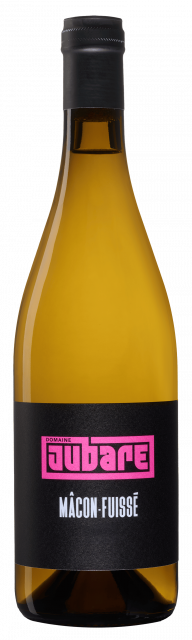
Presentation
Located in Fuissé, at the heart of the Mâconnais region in southern Burgundy, Domaine JUBARE is devoted to cultivating the region’s iconic white grape: Chardonnay. The vineyard spans nearly 6 hectares across the diverse terroirs of the commune, offering a remarkable range of exposures and slopes, from flat plots to steep inclines up to 40%. This geological richness enables the domaine to craft a collection of wines that faithfully express the identity of southern Burgundy, where each cuvée highlights the subtle nuances of its origin.
Three key appellations structure the estate’s production: Mâcon-Fuissé, Pouilly-Fuissé, and Pouilly-Fuissé Premier Cru. The domaine’s parcel-based approach is essential: each wine originates from a specific site and soil, reflecting a consistent pursuit of balance between freshness, density, and minerality.
Though modest in size, Domaine JUBARE expresses a bold and meticulous vision of the winemaker’s craft — rooted in authenticity, sensitivity to nature, and measured vinification. Free from artifice, its wines elegantly showcase the full potential of Chardonnay on these clay-limestone slopes, shaped by centuries of viticultural tradition.
Location
Domaine Jubare is located in Fuissé, at the heart of the Mâconnais in southern Burgundy. The vineyard plots are planted on varied slopes, from flat areas up to 40% incline, benefiting from a wide range of exposures that directly influence grape ripeness and aromatic complexity. The soils are predominantly clay-limestone, over a Jurassic limestone subsoil typical of the region. This terroir promotes excellent drainage and imparts elegance and minerality to the estate’s white wines.
Terroir
Fuissé’s terroir features a rolling landscape, moderate altitude, and at times steep slopes. The soils consist of marl, clay, and limestone, with variations from one plot to the next. This geological mosaic lends Chardonnay a precise and nuanced expression — floral, fruity, and mineral. The diversity in exposure allows for a staggered harvest, ensuring optimal ripeness and balance.
In the vineyard
Domaine Jubare cultivates 5.84 hectares of Chardonnay, exclusively on the commune of Fuissé. Vineyard work is carried out with great care: occasional ploughing or grass cover, depending on the slope and soil type, along with yield control through rigorous pruning and selective harvesting. The viticultural approach emphasizes respect for the plant and faithful expression of the terroir. Harvesting is timed for optimal ripeness — hand-picking is likely on steep slopes, with mechanical harvest used in more accessible areas.
Harvest
The grapes are carefully harvested, often by hand, to preserve their freshness and integrity, ensuring clean fruit and precision in the final wine.
Winemaking
The winemaking process is minimally interventionist: gentle pressing of whole or lightly destemmed grapes, followed by alcoholic fermentation in temperature-controlled stainless steel tanks to preserve primary aromas. The domaine uses indigenous yeasts, promoting aromatic complexity and terroir-driven expression. Malolactic fermentation is partial or complete depending on the vintage, striking the right balance between tension and roundness.
Ageing
Ageing is conducted mostly in stainless steel tanks to maintain freshness, fruit purity, and minerality. A portion of the wine may briefly mature in older oak barrels, adding depth without introducing dominant woody notes. Ageing on fine lees over several months enhances texture and aromatic complexity, with subtle notes of hazelnut or toast developing over time. No significant use of new oak is reported, reflecting the domaine’s aim to let Chardonnay and terroir speak clearly.
Varietal
Chardonnay : 100%

Serving
This Mâcon-Villages blanc is best enjoyed at a serving temperature of 10 to 12 °C, using a tulip glass or a classic Burgundy white wine glass to emphasize its aromas and freshness. In its youth, the wine may benefit from brief decanting to enhance aromatic expression.
Ageing potential
2 to 3 years
Tasting
Visual appearance: Pale yellow with greenish or golden tints depending on vintage and ageing.
At nose: Expressive aromas of white fruits (pear, apple), citrus (lemon zest), and white flowers. Subtle mineral or buttery notes may appear after aeration.
On the palate: Lively and fresh attack, balanced by a supple texture. The wine shows clarity and finesse, finishing with a precise, saline edge. A well-balanced white with purity and elegance.
Taste profile
Vins blancs frais
Food pairings
This Mâcon-Villages pairs beautifully with seasonal, refined cuisine:
Appetizers: gougères, fish bites, fresh cheese
Starters: sea bream tartare, shrimp salad, scallop carpaccio
Main dishes: sole meunière, herb-roasted chicken, mushroom risotto, lemon chicken tagine
Cheeses: young Comté, fresh goat cheese, Brie
Occasions: summer lunch, elegant picnic, light dinner with friends